POPULAR 2026 | RESEARCH LIBRARY
Liraglutide
An evidence-based, plain-language information page distinguishing liraglutide products for type 2 diabetes and chronic weight management, with current safety and South African status.
Contents
What liraglutide is
Important information and disclaimer
Approved and researched uses
Potential future uses
How it works
What evidence has found
Current regulatory and South African status
How products compare
Risks and uncertainties
Treatment and product safeguards
Common questions
Join for updates
Sources
Important information and disclaimer
This page is for general education. Liraglutide is a prescription medicine supplied in indication-specific finished products. Product selection, eligibility, titration and monitoring require a qualified healthcare professional. It is not insulin, does not treat diabetic ketoacidosis and must not replace insulin in type 1 diabetes.
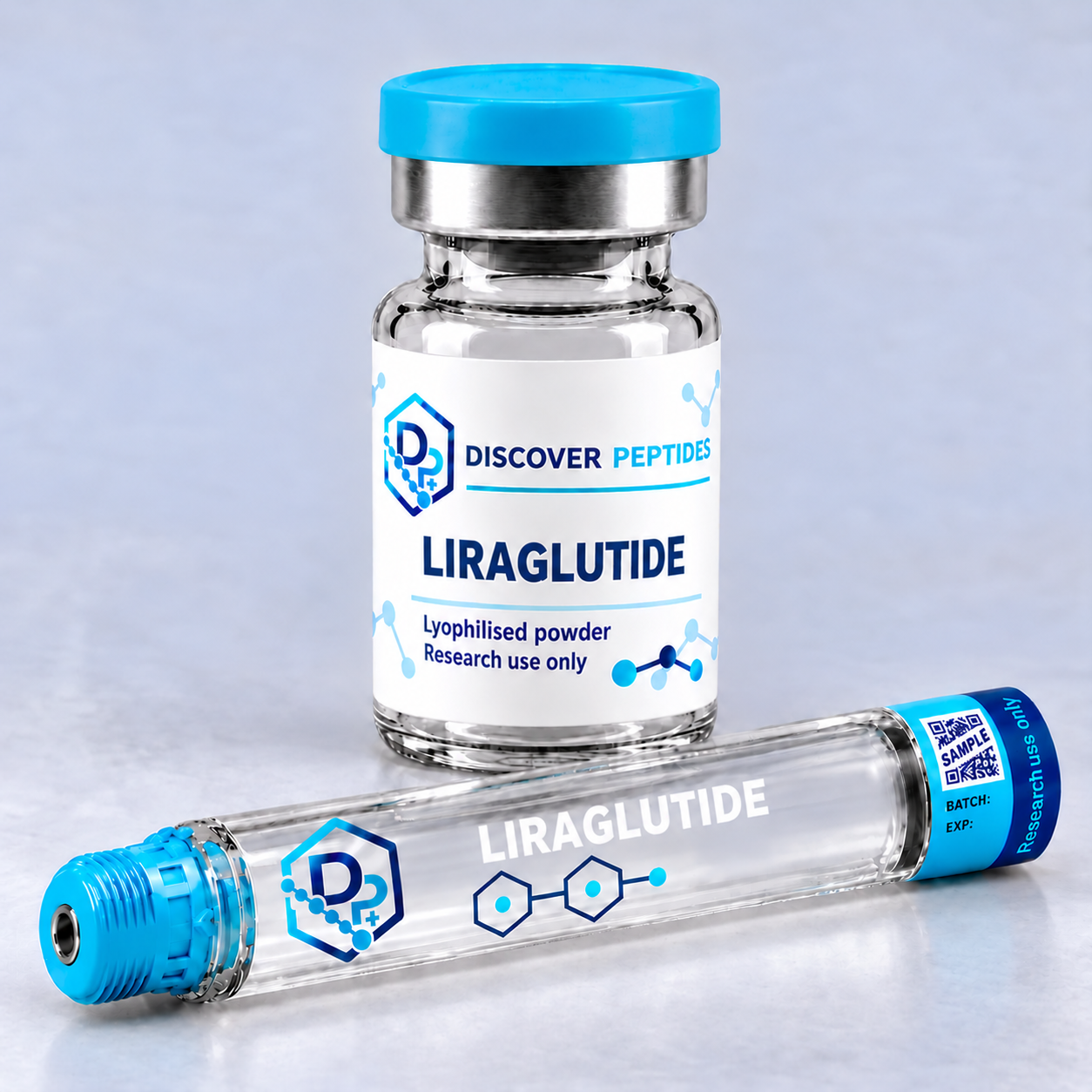
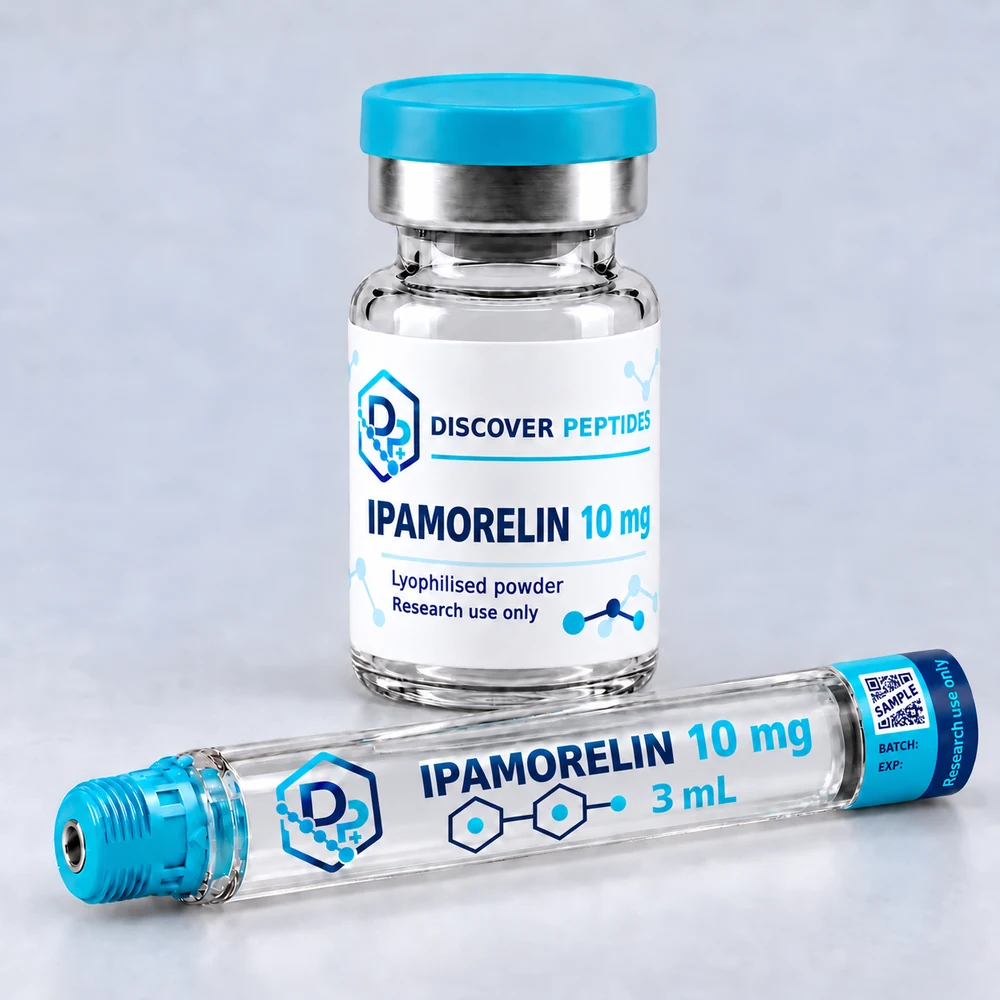
A vial, cartridge, pen or powder labelled ‘liraglutide’, ‘Victoza’, ‘Saxenda’, ‘GLP-1’ or ‘research grade’ is not thereby equivalent to an authorised medicine. Identity, peptide content, purity, sterility, excipients, concentration, stability and cold-chain history may be unknown. Brand names apply only to their specific registered products and indications.
Persistent severe abdominal pain, repeated vomiting, inability to keep fluids down, sudden vision change, severe hypoglycaemia, facial or throat swelling, breathing difficulty, collapse, a neck mass with persistent hoarseness, or symptoms of gallbladder disease require prompt assessment. Patients must tell procedural teams about liraglutide before anaesthesia or deep sedation because delayed gastric emptying may increase aspiration risk.
What is liraglutide?
Liraglutide is a long-acting analogue of human glucagon-like peptide-1 (GLP-1). It shares 97% amino-acid sequence homology with native human GLP-1. A fatty-acid side chain promotes albumin binding and resistance to breakdown, producing exposure suitable for once-daily use in authorised prefilled pens.
Names and products that must not be confused
What is liraglutide approved or researched for?
Type 2 diabetes and cardiovascular risk
The current US VICTOZA label authorises liraglutide with diet and exercise to improve glycaemic control in adults and children aged 10 years and older with type 2 diabetes. It also authorises use to reduce major adverse cardiovascular events in adults with type 2 diabetes and established cardiovascular disease. The cardiovascular indication belongs to the VICTOZA evidence and label, not automatically to every liraglutide product.
Chronic weight management
The current US SAXENDA label authorises liraglutide with reduced-calorie nutrition and increased physical activity for adults with obesity, adults with overweight plus at least one weight-related condition, and adolescents aged 12 years and older who weigh more than 60 kg and have obesity. The accessible South African SAXENDA professional information likewise authorises medically supervised chronic weight management in defined adults and adolescents from age 12 who meet its criteria.
Victoza and Saxenda should not be treated as interchangeable instructions. A shared active ingredient does not make their clinical targets, assessment rules, pen settings or reimbursement identical. Co-administration with another liraglutide-containing product or another GLP-1 receptor agonist is not recommended.
Other potential uses—only if future research confirms them
Research has examined liraglutide in prediabetes, fatty liver disease, polycystic ovary syndrome, cognitive outcomes and other cardiometabolic conditions. Some findings are encouraging, but the evidence and regulatory position vary by population. Improvement in weight, glucose or liver markers does not establish a new authorised indication.
Liraglutide is an older daily GLP-1 medicine in a rapidly changing field. Future research may refine which patients benefit most when cost, adherence, cardiovascular risk, kidney disease and newer weekly therapies are considered. Findings for semaglutide or tirzepatide cannot simply be transferred to liraglutide.
How does liraglutide work?
Glucose-dependent pancreatic effects
When glucose is elevated, GLP-1 receptor activation increases insulin secretion and reduces inappropriate glucagon secretion. Because these effects are glucose-dependent, liraglutide alone has a lower intrinsic hypoglycaemia risk than insulin or sulfonylureas, but hypoglycaemia can occur when it is combined with those medicines.
Appetite and gastric emptying
Liraglutide acts in appetite-regulating brain pathways and delays gastric emptying. Many patients feel fuller sooner and eat less, while post-meal glucose entry may slow. These same mechanisms contribute to nausea, vomiting, constipation, diarrhoea and procedural aspiration concerns.
Why the same molecule has different products
The active molecule is the same, but product development tested different treatment goals and exposure ranges. Regulators approve a finished product for a defined population, purpose and instructions. A diabetes label cannot be converted into a weight-management label merely by changing how a pen is used.
What has evidence found?
Type 2 diabetes and cardiovascular outcomes
Clinical trials show that liraglutide improves HbA1c and commonly reduces weight in type 2 diabetes. In the LEADER cardiovascular-outcomes trial, liraglutide reduced the composite risk of cardiovascular death, non-fatal myocardial infarction or non-fatal stroke in high-risk adults with type 2 diabetes. The result applies to the studied population and does not establish cardiovascular prevention in people without type 2 diabetes.
Weight-management trials
The SCALE programme found greater average weight loss with liraglutide than placebo when both groups received lifestyle intervention. Responses vary, and authorised labels include stopping rules when clinically meaningful early response is not achieved. Average loss is generally lower than that reported with newer high-dose semaglutide or dual/triple agonists, but cross-trial comparisons are imperfect.
2026 label update
The US SAXENDA label was revised in 2026. The earlier warning section on suicidal behaviour and ideation was removed in February 2026, while warnings covering thyroid C-cell tumours, pancreatitis, gallbladder disease, hypoglycaemia, heart-rate increase, volume-depletion kidney injury, severe gastrointestinal reactions, hypersensitivity and pulmonary aspiration remain important. Removing one warning does not mean the product is risk-free.
Evidence and regulatory position in 2026
Current regulatory and South African status
Liraglutide received initial US approval in 2010. VICTOZA is authorised for defined type 2 diabetes and cardiovascular-risk indications; SAXENDA is authorised for chronic weight management in defined adults and adolescents. The current US SAXENDA label is revised June 2026, and the current VICTOZA label available during this review is revised October 2025.
South Africa has a publicly accessible SAHPRA professional-information document for SAXENDA, applicant Novo Nordisk (Pty) Ltd, Schedule 4, approved 12 September 2022. It covers medically supervised chronic weight management in adults meeting BMI/comorbidity criteria and adolescents aged 12 years or older, above 60 kg, who meet obesity criteria. The exact current product, pack, availability and latest approved wording should still be checked at the time of use.
The status of VICTOZA and any generic or biosimilar liraglutide presentation must be verified separately in South Africa. Registration of one liraglutide brand does not authorise another brand, an online vial, bulk material or a non-validated compounded presentation.
How liraglutide compares with newer metabolic medicines
Known risks, contraindications and uncertainties
Common adverse reactions include nausea, diarrhoea, vomiting, decreased appetite, constipation, dyspepsia and abdominal pain. Tolerability and risk depend on the product, indication, co-medication, age and comorbid disease.
US labels carry a boxed warning about thyroid C-cell tumours in rodents. Liraglutide is contraindicated with a personal or family history of medullary thyroid carcinoma or MEN 2 under those labels.
Acute pancreatitis, including severe forms, has occurred. Persistent severe abdominal pain, sometimes radiating to the back, requires urgent assessment.
Gallstones and cholecystitis occur more often in weight-management trials; rapid weight loss can add risk.
Vomiting and diarrhoea can cause dehydration and acute kidney injury, especially in vulnerable patients.
Severe gastrointestinal reactions can occur, and US labels do not recommend use in severe gastroparesis.
Hypoglycaemia risk rises when liraglutide is used with insulin or insulin secretagogues; those medicines may require professional adjustment.
Serious hypersensitivity, including anaphylaxis and angioedema, has been reported.
Delayed gastric emptying may affect oral medicines and has been linked to pulmonary aspiration during anaesthesia or deep sedation.
Saxenda should be stopped when pregnancy is recognised under the US label; South African professional information lists pregnancy and lactation as contraindications.
Treatment and product safeguards
This page deliberately omits personal dosing, titration, pen-click conversions, injection technique and switching schedules. Victoza and Saxenda pens use the same nominal concentration in authorised products but deliver different labelled dose ranges and serve different clinical purposes. Counting unmarked clicks or transferring material into another device bypasses validated instructions and can cause error.
A prefilled pen must never be shared, even if the needle is changed. Liraglutide should not be mixed with insulin. Injection-site rotation, correct storage and visual inspection are product safeguards. A medicine obtained outside the registered chain cannot be assumed equivalent because its label shows the same milligrams.
Monitoring is indication-specific and may include glucose and HbA1c, hypoglycaemia, weight response, heart rate, hydration and kidney function, gallbladder or pancreatic symptoms, concomitant medicines and pregnancy planning. Patients should disclose GLP-1 use before surgery, endoscopy or deep sedation.
Common questions
Are Victoza and Saxenda the same?
They contain liraglutide, but they are separate products with different authorised purposes, dose ranges and assessment rules.
Is liraglutide insulin?
No. It is a GLP-1 receptor agonist and cannot replace insulin, especially in type 1 diabetes.
Is it the same as semaglutide?
No. Both are GLP-1 receptor agonists, but they are different molecules with different exposure, products and labels.
Why is there a thyroid warning?
Liraglutide caused thyroid C-cell tumours in rodents. Human relevance is uncertain, but US labels contraindicate it in MTC or MEN 2 history.
Was the suicidal-behaviour warning removed?
Yes from the US Saxenda label in February 2026. Other major warnings remain, and individual mental-health concerns still deserve clinical care.
Is Saxenda registered in South Africa?
Yes. A SAHPRA Schedule 4 professional-information document for Saxenda, approved 12 September 2022, was publicly identifiable during this review.
Can it be combined with another GLP-1 medicine?
Current labels do not recommend co-administration with another liraglutide product or another GLP-1 receptor agonist.
Join for research and regulatory updates
Join the future research bulletin for liraglutide label changes, comparative-effectiveness evidence, supply and generic developments, and South African regulatory updates. Subscription does not provide medical advice, prescribing, product supply, pen-click conversion or dosing instructions.
Consent wording for the future form: “I agree to receive evidence and regulatory updates by email. This service does not provide medical advice, personal dosing instructions or product supply.”
Sources and further reading
US National Library of Medicine DailyMed. SAXENDA (liraglutide) prescribing information, revised June 2026.
US National Library of Medicine DailyMed. VICTOZA (liraglutide) prescribing information, revised October 2025.
South African Health Products Regulatory Authority. SAXENDA professional information, applicant Novo Nordisk (Pty) Ltd, Schedule 4, approved 12 September 2022.
Marso SP, et al. Liraglutide and cardiovascular outcomes in type 2 diabetes (LEADER). New England Journal of Medicine. 2016.
Pi-Sunyer X, et al. A randomised controlled trial of liraglutide for weight management. New England Journal of Medicine. 2015.
Kelly AS, et al. A randomised controlled trial of liraglutide for adolescents with obesity. New England Journal of Medicine. 2020.
Editorial method: current US and South African regulator information and pivotal clinical trials were prioritised. Product names, indications and jurisdictions were kept distinct. Review after major label, registration or availability changes, and no later than March 2027.


Reviews
There are no reviews yet.