POPULAR 2026 | RESEARCH LIBRARY
Melanotan II
A plain-language research page on identity, mechanism, evidence, uncertainties and South African context.
Contents
Important information · Identity · Research questions · Mechanism · Evidence · Regulatory context · Comparison · Risks · Common questions · Research updates · Sources
Important information and disclaimer
This page is for education about published research. It does not advertise, offer or recommend Melanotan II and does not provide dosing or self-treatment advice. Inclusion in an image concept pack is not evidence of a registered product, proven benefit or permission to market it.
An online label or certificate cannot alone establish identity, purity, sterility, strength, stability or suitability for human use. Anyone with serious symptoms should obtain clinical assessment rather than rely on an experimental peptide.
What is Melanotan II?
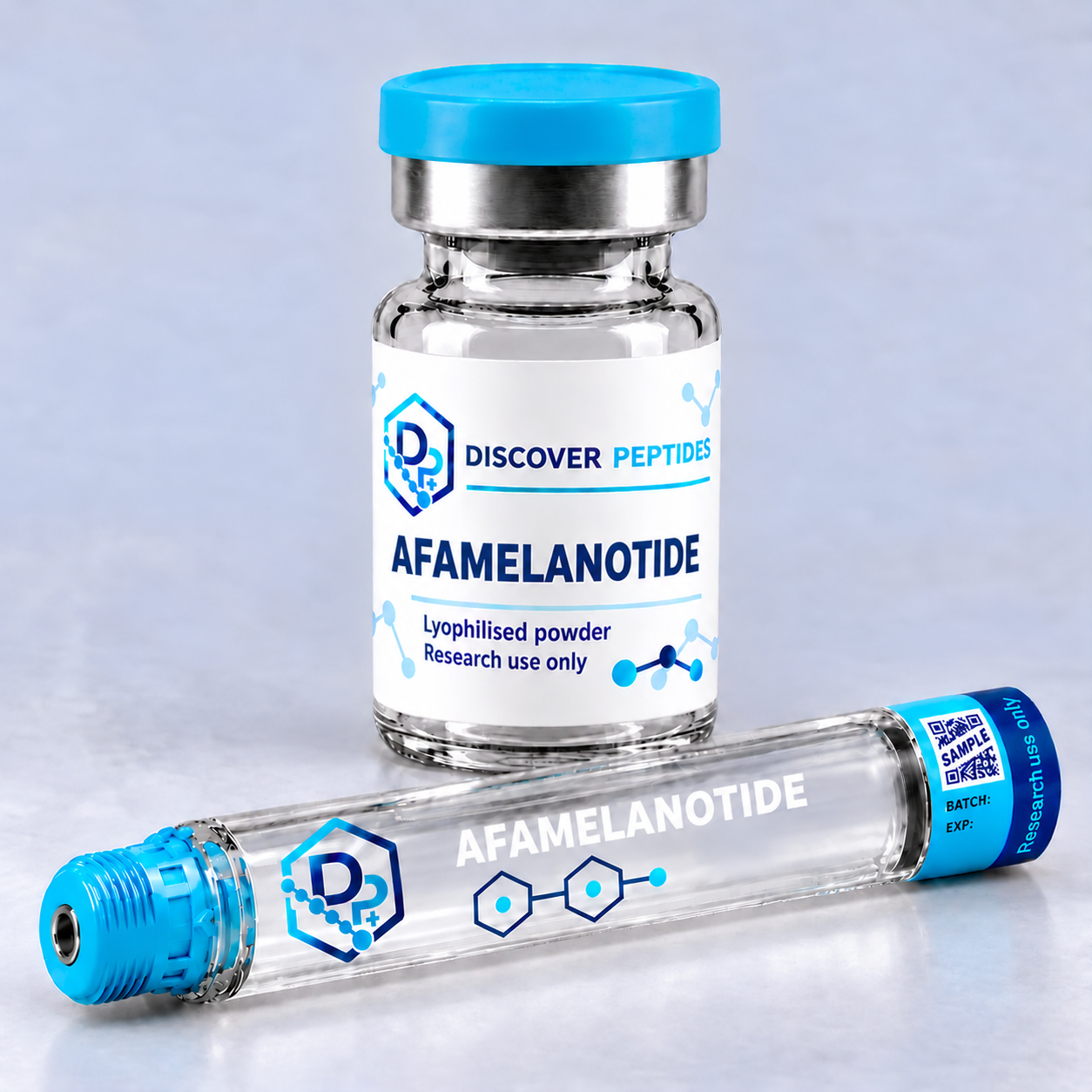
Melanotan II is a synthetic, cyclic melanocortin-receptor agonist studied for pigmentation and sexual-response effects. Its action across multiple receptor types makes it different from afamelanotide, an approved medicine in some jurisdictions for a narrowly defined disorder.
Identity distinctions that prevent confusion
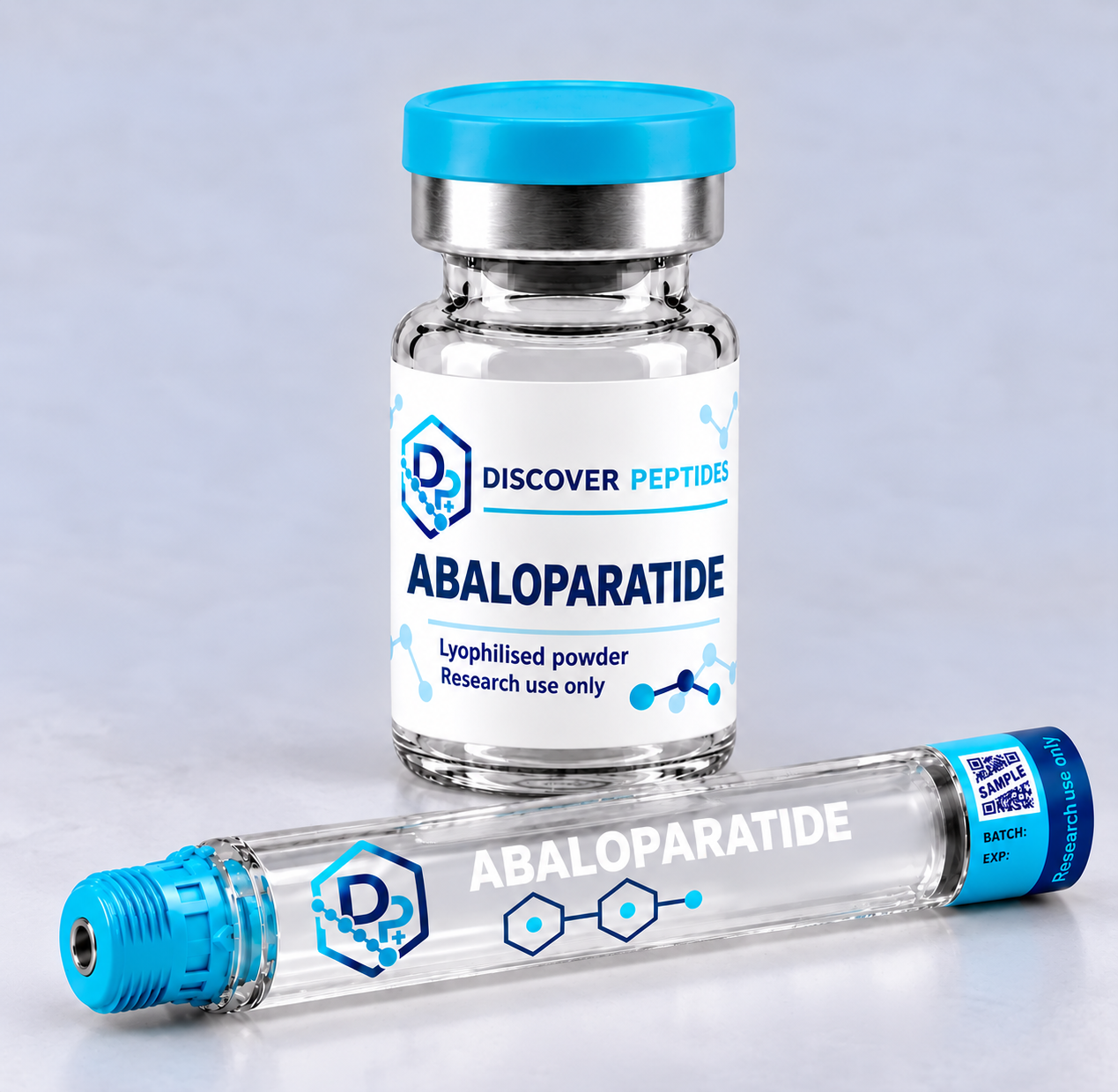
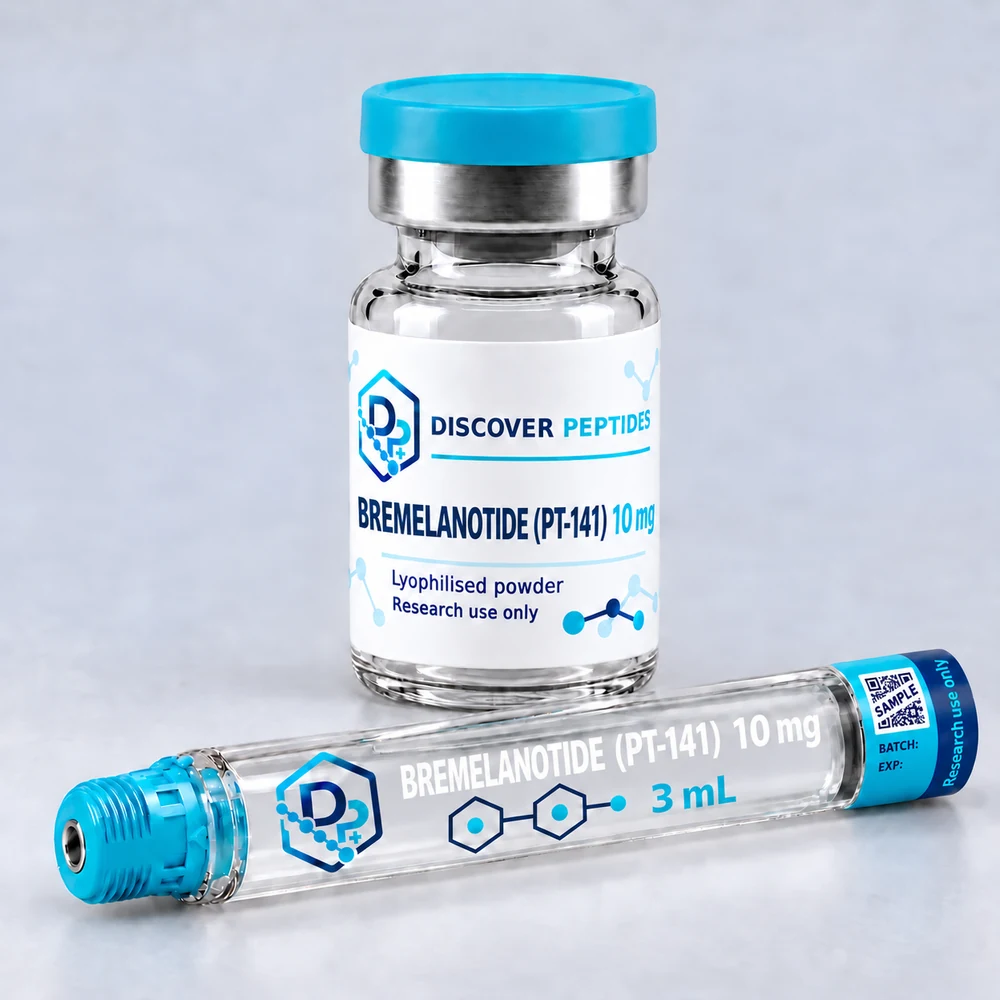
Melanotan II is not afamelanotide (Scenesse), Melanotan I, or bremelanotide (PT-141). A similar nickname, peptide family or visual label is insufficient to show chemical identity. Documentation must refer to the actual material and formulation under consideration.
What is Melanotan II researched for?
Small human investigations reported pigmentation and erectile responses. They do not establish that unsupervised tanning injections safely prevent sun damage or treat sexual dysfunction.
Other potential uses if future research confirms them
Any clinical development would require a defined indication and careful assessment of skin lesions, cardiovascular effects and sustained benefit. Existing regulated alternatives have different evidence and identities.
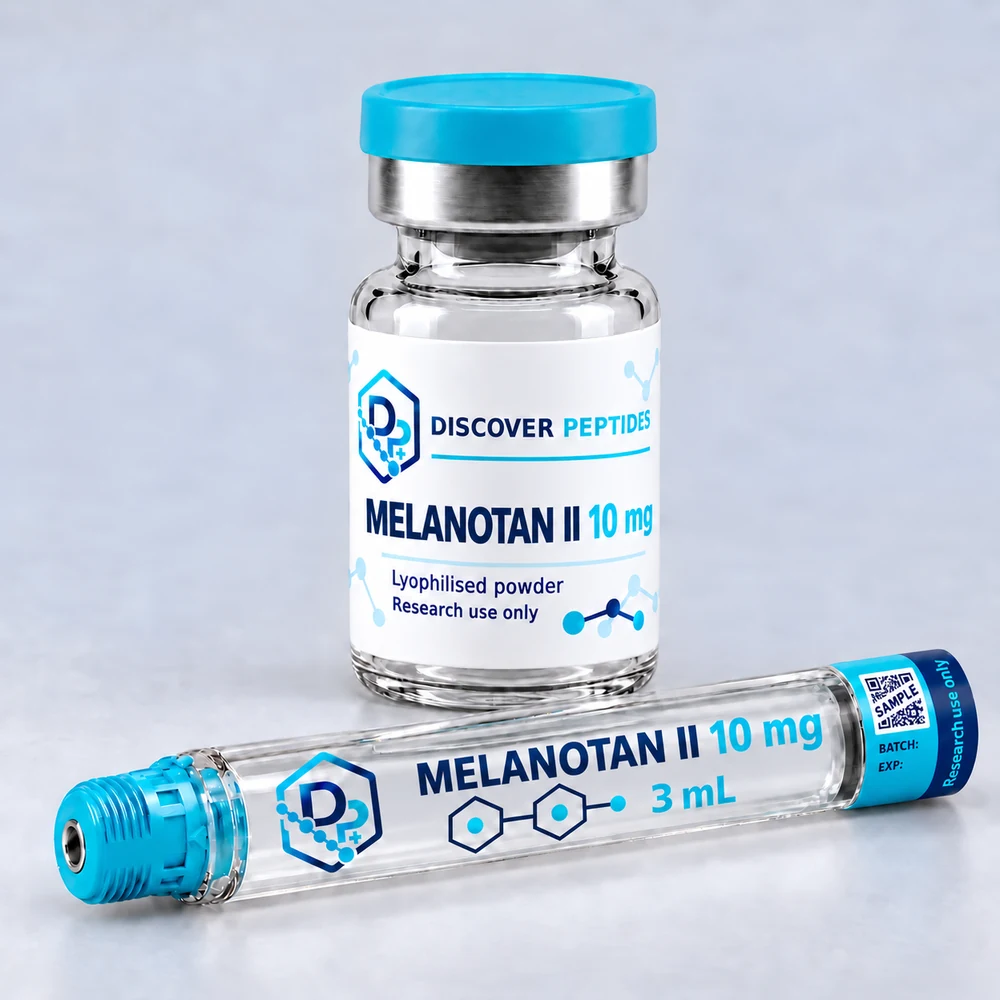
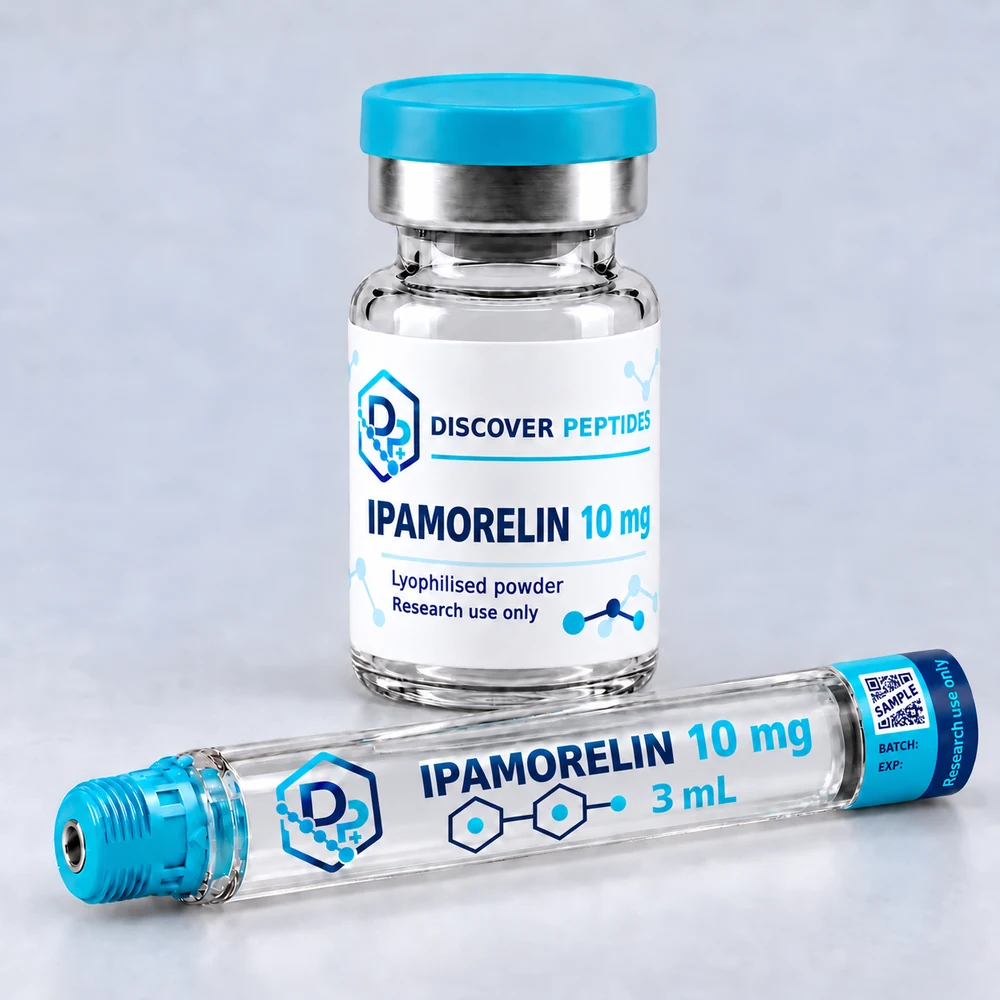
A future indication requires more than a plausible molecular pathway. Researchers need a defined patient group, an appropriate comparator, outcomes that matter to patients, and follow-up long enough to reveal important harms. The amount printed on a draft vial image answers none of those questions.
How might Melanotan II work?
Melanocortin receptor activation can increase pigment production and influence central pathways involved in sexual response. A deeper tan does not remove the risk of ultraviolet injury.
Mechanistic work can identify a testable pathway, but it cannot specify a clinically useful route or prove that a laboratory signal will survive the complexity of a human disease. Exposure and target engagement should be measured in a study rather than inferred from a supplier label.
What has the evidence found?
An early phase I study found tanning activity, while a small blinded crossover study in ten men examined erectile effects. These limited studies are not a basis for general use or long-term safety claims.
Evidence from cells, animals, hormone measurements or small clinical studies must be judged separately. A promising mechanism is a reason to investigate a question, not a demonstration of clinical efficacy.
How strong is the evidence?
The strongest evidence depends on the specific claim. A human pharmacology experiment may prove a short-term hormone response but not a health benefit; a small patient trial may identify an early signal but miss rare harms. Animal and cell findings are valuable for choosing the next experiment, while a well-designed clinical trial is needed for a treatment claim.
Current status and South African context
This page does not assert South African registration or a particular legal supply route. Before any public product listing, check the exact formulation, manufacturer and indication against current SAHPRA records and obtain professional regulatory review. SAHPRA warns about unregistered peptide products sold through informal channels.
How Melanotan II compares with nearby concepts
Melanotan II is not afamelanotide (Scenesse), Melanotan I, or bremelanotide (PT-141).
Risks and uncertainties
Nausea, flushing, pigmentation changes, uncertain effects on moles, and reported priapism are concerns. Changing skin lesions require clinical assessment.
Risk has at least two parts: the biological effects of the molecule, and the quality of a particular preparation. A published study using controlled material does not verify an unrelated online vial. For any injectable product, identity, sterility, endotoxin control and storage are distinct questions; a simple purity figure does not settle them.
Treatment and measurement safeguards
A clinician or investigator would first define the condition, baseline measurements and relevant standard treatment. Outcomes would be measured prospectively and adverse events recorded. The public research page should avoid conversion charts, injection instructions or promises about results, and should say when an established treatment is available.
Common questions
Is Melanotan II a proven treatment?
Not for the broad claims often attached to its name. The evidence described here must be read for the exact indication, route and measured outcome.
Does a mechanism mean it works in people?
No. A receptor, cell or animal result supports a hypothesis; clinical benefit and safety require human testing.
Does the pictured strength validate a product?
No. The draft strength is an image identifier and must be checked against actual specifications before a listing.
Can two similar peptide names be substituted?
Melanotan II is not afamelanotide (Scenesse), Melanotan I, or bremelanotide (PT-141).
Does a certificate or CAS number prove suitability for human use?
No. Such details may help identify a material, but they do not by themselves establish formulation, sterility, stability, authorisation or therapeutic value.
What would change this page?
A rigorous new trial, a corrected publication, a regulator decision or verified product specification could change a specific conclusion.
Join for research and regulatory updates
Readers who want to track Melanotan II can set a periodic alert for its exact name plus ‘clinical trial’, ‘randomised’, ‘publication’ and ‘SAHPRA’. An AI reminder should bring back the study or regulator link, publication date, population, outcome and limitations. Verify the source before treating an alert as a change in evidence.
Sources and further reading
Phase I pigmentation study: https://pubmed.ncbi.nlm.nih.gov/8637402/
Blinded erectile-response pilot: https://pubmed.ncbi.nlm.nih.gov/9679884/
Priapism case report: https://pubmed.ncbi.nlm.nih.gov/30796078/
SAHPRA public peptide information: https://www.sahpra.org.za/peptide-products-public-information/
Research review date: 26 September 2026. Verify current trial and regulatory status before publication.


Reviews
There are no reviews yet.