POPULAR 2026 | RESEARCH LIBRARY
Pramlintide acetate
An evidence-based, plain-language information page on this amylin analogue used with mealtime insulin, including hypoglycaemia safeguards, research and South African context.
Contents
What pramlintide is
Important information and disclaimer
Approved and researched uses
Potential future uses
How it works
What evidence has found
Current regulatory and South African status
How it compares
Risks and uncertainties
Treatment and product safeguards
Common questions
Join for updates
Sources
Important information and disclaimer
This page is for general education. Pramlintide is a prescription diabetes medicine used only as an adjunct to mealtime insulin in carefully selected people. It is not insulin, cannot replace basal or mealtime insulin, and is not a treatment for diabetic ketoacidosis. Starting it requires coordinated insulin adjustment, frequent glucose monitoring and appropriate hypoglycaemia education.
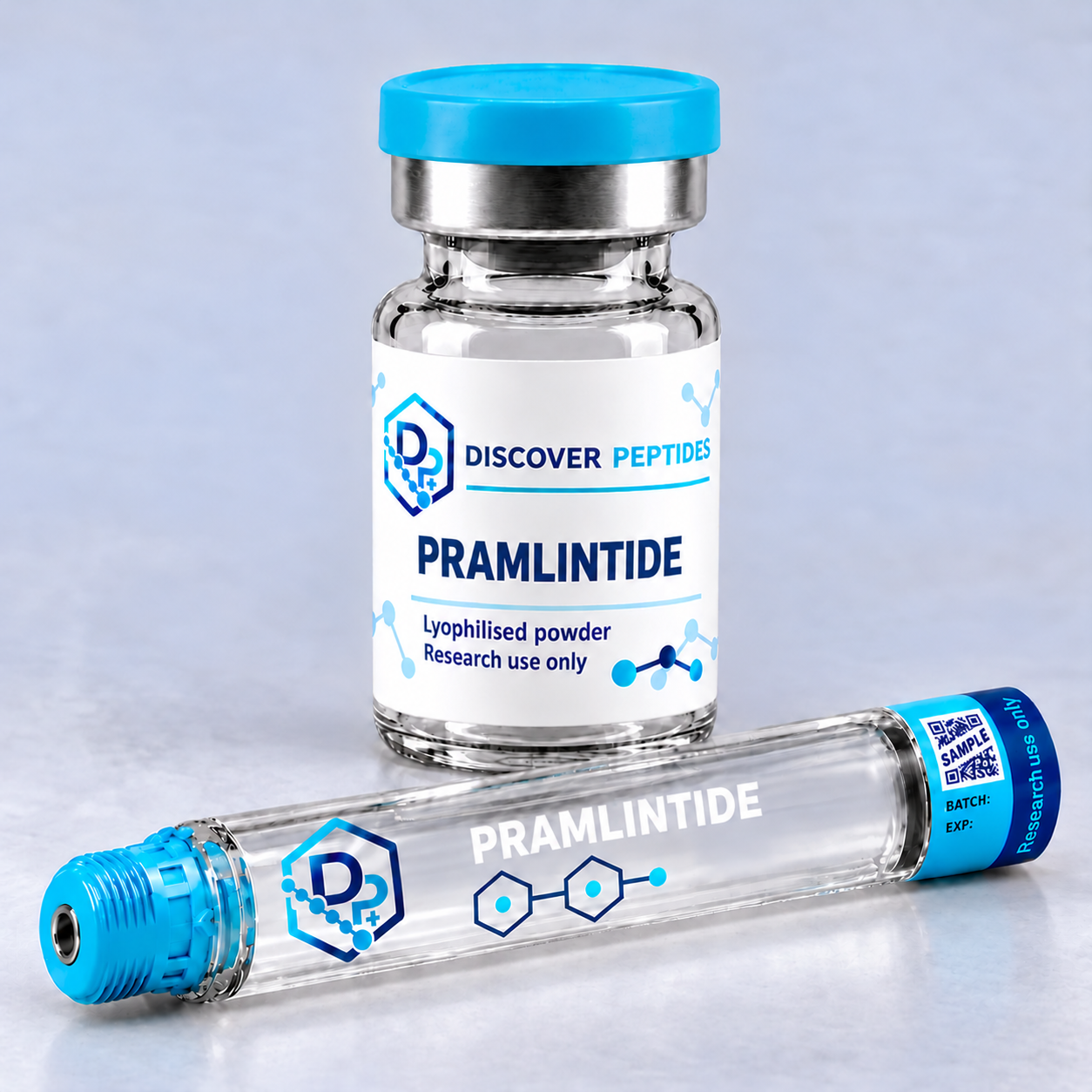
A vial, pen or powder labelled ‘pramlintide’, ‘SYMLIN’, ‘amylin’, ‘research grade’ or with a certificate of analysis is not thereby equivalent to an authorised medicine. Identity, peptide content, purity, sterility, formulation, concentration, stability and cold-chain history may be unknown. SYMLIN is the name of a specific regulated finished product.
Severe hypoglycaemia can cause confusion, seizure, unconsciousness, injury or death. Urgent help is required for severe or persistent low glucose, inability to swallow safely, seizure, collapse, diabetic ketoacidosis symptoms, severe allergic symptoms or repeated vomiting with inability to keep fluids down. A person with type 1 diabetes must never stop insulin because pramlintide reduces appetite or post-meal glucose.
What is pramlintide acetate?
Pramlintide is a synthetic analogue of human amylin, a 37-amino-acid peptide hormone normally co-secreted with insulin by pancreatic beta cells. Three proline substitutions reduce the tendency of human amylin to aggregate, making a stable medicinal formulation possible. The acetate description refers to the salt used in the drug substance and does not make unrelated amylin peptides interchangeable.
Identity distinctions that prevent confusion
What is pramlintide approved or researched for?
The US label authorises pramlintide as an adjunctive treatment in adults with type 1 or type 2 diabetes who use mealtime insulin and have not achieved desired glucose control despite optimal insulin therapy. It is added to, not substituted for, an established insulin regimen and is intended for people who can follow intensive glucose-monitoring and insulin-safety instructions.
Adults with type 1 diabetes using mealtime insulin
Adults with type 2 diabetes using mealtime insulin
Reduction of post-meal glucose excursions as part of a monitored diabetes plan
Possible improvement in overall glycaemic control without adding another insulin product
It is not authorised for type 2 diabetes managed without mealtime insulin, for prevention of diabetes, for type 1 diabetes without insulin, or as a stand-alone weight-loss medicine. It is also not appropriate for every insulin user; gastroparesis, hypoglycaemia unawareness and inability to follow the insulin-adjustment plan are major exclusions.
Other potential uses—only if future research confirms them
Pramlintide has been studied for weight reduction in people with obesity, including combinations with other appetite-regulating medicines. These programmes support scientific interest in amylin biology but did not create a general obesity approval for pramlintide. Modern research has shifted toward longer-acting amylin analogues and combinations intended for less frequent administration.
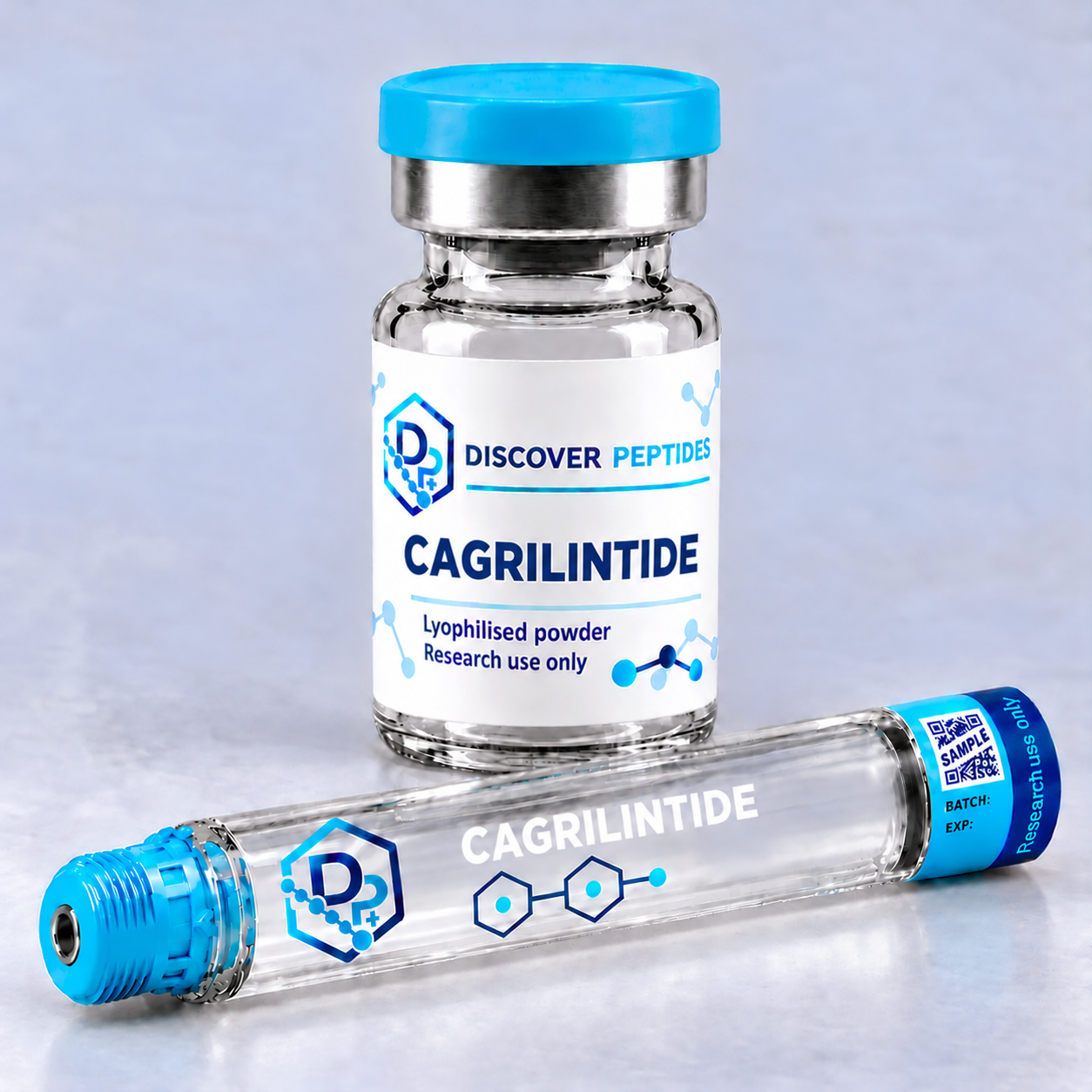
Future research may clarify whether selected amylin-based combinations provide useful weight, metabolic or neuroendocrine effects. Until robust product-specific trials and approvals exist, results involving cagrilintide, petrelintide, amycretin or historical pramlintide combinations cannot be attributed to pramlintide alone.
How does pramlintide work?
Replacing a missing partner signal
In people without diabetes, insulin and amylin are released together after meals. Type 1 diabetes removes both signals, while advanced type 2 diabetes may reduce them. Pramlintide reproduces selected amylin actions through amylin receptors in the brain and gastrointestinal system.
Three principal post-meal effects
Pramlintide slows gastric emptying, suppresses inappropriate post-meal glucagon secretion and increases satiety. Together these effects can reduce the speed and size of the post-meal glucose rise and may reduce food intake. They also change the timing between carbohydrate absorption and injected insulin action, which is one reason severe hypoglycaemia can occur.
Why it cannot replace insulin
Amylin signalling modifies meal-related physiology but does not provide insulin’s essential actions on glucose and ketone metabolism. Without sufficient insulin, a person with type 1 diabetes remains at risk of severe hyperglycaemia and diabetic ketoacidosis even if appetite and post-meal glucose initially appear lower.
What has evidence found?
Glycaemic outcomes
Controlled trials in insulin-treated type 1 and type 2 diabetes found modest average reductions in HbA1c and lower post-meal glucose when pramlintide was added to insulin. Benefits depend on adherence, meal patterns, glucose monitoring and safe insulin adjustment. Averages do not predict an individual response.
Weight and appetite
Unlike intensifying insulin alone, pramlintide is often associated with modest weight loss rather than weight gain. Nausea and reduced appetite contribute, but weight loss is not the authorised stand-alone purpose. Historical obesity trials used regimens and combinations that should not be copied into ordinary care.
Severe hypoglycaemia risk
The pivotal safety issue is insulin-induced severe hypoglycaemia, particularly during the first months after initiation in type 1 diabetes. The boxed warning reflects the possibility of injury and the need for careful selection, mealtime-insulin reduction under professional direction, frequent glucose checks and rapid access to hypoglycaemia treatment.
Evidence and regulatory position in 2026
Current regulatory and South African status
Pramlintide received US approval in 2005 and remains an FDA-approved active ingredient under the SYMLIN label for the narrow adult adjunct-to-mealtime-insulin indication. The accessible US prescribing information carries a boxed warning for severe hypoglycaemia when used with insulin. Marketing availability and device presentations can change independently of regulatory approval and should be verified before describing current supply.
Pramlintide has not had the same broad multinational uptake as insulin or GLP-1 receptor agonists. No centrally authorised pramlintide product was identified in the European Medicines Agency medicine records reviewed for this page. Jurisdiction-specific authorisation must not be inferred from US approval.
The September 2026 review did not identify a publicly verifiable pramlintide or SYMLIN professional-information entry in SAHPRA’s online PI/PIL repository. This is not conclusive proof that no older registration, section 21 authorisation or named-patient route exists. South African registration, importation, availability or promotion must be confirmed for the exact finished product.
How pramlintide compares with related medicines
Known risks, contraindications and uncertainties
The most common adverse effect is nausea, especially during initiation. Reduced appetite, vomiting, abdominal discomfort, headache and injection-site reactions may also occur. The principal serious risk is severe insulin-induced hypoglycaemia.
The US label carries a boxed warning: pramlintide used with insulin increases the risk of severe hypoglycaemia, especially in type 1 diabetes. Episodes may occur within hours after injection and can impair driving or other hazardous activities.
Confirmed gastroparesis is a contraindication because pramlintide further slows gastric emptying.
Hypoglycaemia unawareness is a contraindication. The medicine is also unsuitable where glucose monitoring, insulin adjustment or follow-up cannot be performed reliably.
It can delay absorption of oral medicines. Time-critical oral medicines may require a separated schedule determined from the official label and professional advice.
Pramlintide and insulin must not be mixed in the same syringe; formulation incompatibility and altered exposure can result.
It should not be injected into the same site as insulin. Product-specific administration instructions must be followed.
Paediatric safety and effectiveness are not established in the US label. Pregnancy, breastfeeding, renal disease and other special circumstances require professional review.
Treatment and product safeguards
This page deliberately omits personal doses, mealtime-insulin percentage changes, injection technique and pen calculations. Initiation changes the risk of hypoglycaemia immediately, and published numbers cannot safely replace an individual plan based on insulin type, meals, continuous glucose-monitor data, activity, kidney function and prior hypoglycaemia.
Appropriate preparation includes review of severe hypoglycaemia history, awareness of symptoms, gastroparesis, adherence, glucose-monitoring capability and access to rapid treatment. Insulin pump users still require a distinct pramlintide plan; it must not be placed in an insulin reservoir or assumed compatible with automated insulin-delivery algorithms.
Monitoring should distinguish glucose improvement caused by altered meal absorption from insufficient insulin. Repeated vomiting, inability to eat, falling insulin delivery or rising ketones requires a diabetes sick-day and emergency plan, not reliance on pramlintide’s appetite effect.
Common questions
Is pramlintide insulin?
No. It is an amylin analogue used with insulin and cannot prevent ketoacidosis when insulin is absent.
Can it be mixed with insulin?
No. The US label requires separate administration; it must not be mixed in the same syringe or reservoir.
Why can severe hypoglycaemia occur?
Food absorption slows while injected insulin continues acting. If insulin is not professionally adjusted and glucose closely monitored, the mismatch can become dangerous.
Is it a weekly obesity peptide?
No. Pramlintide is a short-acting diabetes adjunct. Cagrilintide and other long-acting amylin candidates are different molecules.
Can it be used with gastroparesis?
Confirmed gastroparesis is a contraindication under the US label.
Is it approved for children?
Paediatric safety and effectiveness are not established in the current US label.
Is it registered in South Africa?
No public pramlintide entry was identified in SAHPRA’s online PI/PIL repository during this review. The exact registration or named-patient access position must be confirmed.
Join for research and regulatory updates
Join the future research bulletin for amylin-therapy evidence, combination research, product-availability changes, safety communications and South African regulatory updates. Subscription does not provide medical advice, insulin adjustment, prescribing, product supply or dosing instructions.
Consent wording for the future form: “I agree to receive evidence and regulatory updates by email. This service does not provide medical advice, personal dosing instructions or product supply.”
Sources and further reading
US National Library of Medicine DailyMed. SYMLIN (pramlintide acetate) prescribing information; accessed 7 September 2026.
US Food and Drug Administration. SYMLIN (pramlintide acetate), NDA 021332 and NDA 021332/S-016, prescribing information.
Ratner RE, et al. Amylin replacement with pramlintide as an adjunct to insulin therapy in type 1 diabetes. Diabetes Care.
Hollander PA, et al. Pramlintide as an adjunct to insulin therapy in type 2 diabetes. Diabetes Care.
Aronne LJ, et al. Pramlintide for weight loss in obese subjects: clinical development studies. Obesity.
SAHPRA. Repository of Professional Information and Patient Information Leaflets, searched for pramlintide and SYMLIN on 7 September 2026.
Editorial method: regulator information and controlled clinical evidence were prioritised over commercial or peptide-retail pages. Approved glycaemic use, modest weight effects and investigational amylin combinations were kept distinct. Review after major label, availability or South African registration changes, and no later than March 2027.


Reviews
There are no reviews yet.